
By Michael Hudson
In November 2023, I was hospitalized for fluid building up in my feet. Little did I know that my heart had a blockage that was causing the problem. I met with a thoracic surgeon and was told that my Heart was running at about 80 % and I would need bypass surgery to correct the problem.
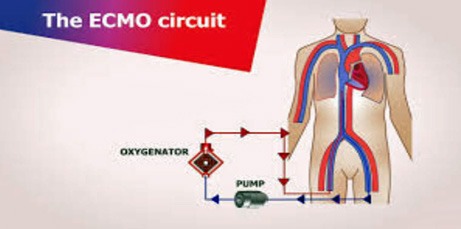
On November 9th at 3:00 pm, I had my open-heart surgery at Duke University Hospital. The surgery went fine and I was sent to the ICU for recovery. On the fourth day at 4:30 in the morning, my heart went into Afib and then into VFib, which is life-threatening. I was sent back down to the Cath lab so the doctors could check my bypass grafts. They were fine, but my heart was exhausted from the blockage and surgery. At that time, I was put on ECMO. ECMO stands for Extracorporeal Membrane Oxygenation, a life-support machine that functions as a temporary heart-lung bypass for critically ill patients whose organs are too weak to sustain life. It removes blood from the body, passes it through an artificial lung to add oxygen and remove carbon dioxide, and then returns the oxygenated blood to the body.
I was on the ECMO machine for four days. After I woke up from the procedure, I noticed that both of my feet were numb. My physical therapy required me to walk with a forearm walker, which makes me stand straight and upright. I kept asking why my feet were numb. Also, the nursing staff had a hard time finding the blood pulses in both of my feet.
After being out of the hospital for months, the numbness and tingling were increasing, especially at night when I went to sleep.
Neuropathy is a known, though often underappreciated, complication of extracorporeal membrane oxygenation (ECMO), which can result from nerve compression from cannulas, ischemia (reduced blood flow) to the limb, or hematomas. This nerve damage can cause symptoms like pain, numbness, or weakness in the affected limb and may be a long-term issue affecting a patient’s quality of life. Risk factors include femoral cannulation, which places the femoral nerve at risk of compression or damage.
Causes and Types of Neuropathy
Nerve Compression: The catheters (cannulas) used for ECMO can directly compress nerves, particularly if positioned near them.
Ischemia: Reduced blood flow to a limb during ECMO can lead to nerve damage, causing neuropathy.
Hematomas: Bleeding can occur around the cannulation site, forming a hematoma that presses on nerves and causes plexopathy, such as lumbosacral plexopathy.
Deep Vein Thrombosis (DVT): A DVT can extend to the calf, causing nerve compression and contributing to femoral nerve neuropathy.
Affected Nerves and Symptoms
Femoral Nerve Neuropathy: This is a common concern with femoral cannulation, leading to weakness and sensory loss in the hip and knee.
Radial Nerve Neuropathy: Cannulation for arterial monitoring can lead to damage to the radial nerve, causing pain, numbness, and tingling in the wrist and thumb.
Other Peripheral Nerve Injuries: Other nerves, including the peroneal, tibial, and lumbar plexuses, can also be affected depending on the cannulation site and complications.
Diagnosis and Treatment
Nerve Conduction Studies (NCS): Nerve conduction studies can help confirm neuropathy and differentiate it from conditions like critical illness neuropathy.
Rehabilitation: Early rehabilitation in the ICU is important to minimize neurological impairment after ECMO.
Pain Management: Treatment may include medications and specialized therapies like scrambler therapy for persistent neuropathic pain.
My ultra sound study revealed that I had several blockages behind my knees and in both of my feet.
Treatment options are as followed.
Have a vascular surgeon perform Laser surgery on the blocked arteries and veins to restore blood flow in my legs.
Have a stent placed in my veins and arteries that are blocked to return blood flow in my legs.
Keep taking Stain drugs in the Hopes that the blockages will clear up
Increase physical therapy on my legs.
There are natural remedies for healing and clearing up your arteries and veins.
Research it yourself.
Check out Cayenne Pepper
Tumeric
Ginger
Lemmon
It helps to check your Blood Pressure daily as you change your diet.
You shood be shooting for a 120/70 reading for men and women without taking any drugs.